
Millions of homes now stream video online instead of cable. This big change shows how we watch media has shifted. Internet protocol television is key in this new digital world. It brings content to us through the internet, not satellite dishes.

Today, viewers have more choices and control over their media. This system sends data straight to your device, making it look clean and smooth. Unlike old cable boxes, it doesn’t need a big or heavy receiver.
Many wonder what is iptv and how it meets their needs. The internet makes it affordable and offers a wide range of shows. This new way is shaping the future of media for everyone. Modern providers use advanced tools to reach a wide and varied audience.
Key Takeaways
- Systems deliver media via web networks.
- Users enjoy greater control and flexibility.
- Methods replace traditional cable or satellite.
- Data travels through packet-switched networks.
- Providers offer cost-effective content models.
- Services integrate with modern digital devices.
What Is IPTV and How Does It Differ from Traditional TV
IPTV is a new way to watch TV over the internet. It’s different from old TV services. Let’s explore what makes IPTV unique.
Understanding the IPTV Definition and Technology
IPTV sends TV shows over the internet. This means you can watch what you want, when you want. It’s not like traditional TV, which uses broadcast signals or cables.
Key components of IPTV technology include:
- IPTV servers that store and manage content
- A robust content delivery network (CDN) to ensure smooth streaming
- User devices such as set-top boxes, smart TVs, or mobile devices with IPTV apps
Internet Protocol Television vs Cable TV
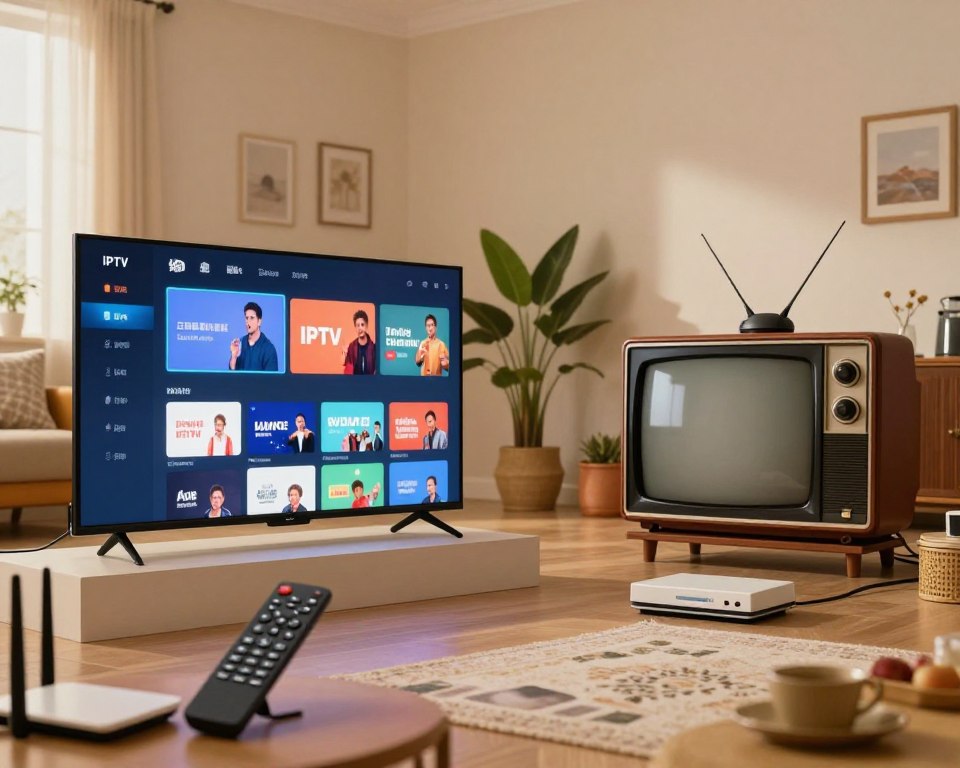
IPTV and cable TV are different in many ways. IPTV lets you watch shows on-demand and has more channels. Cable TV is more limited.
| Feature | IPTV | Cable TV |
|---|---|---|
| Content Delivery | Over internet protocols | Through coaxial cables |
| Flexibility | On-demand content, pause, rewind | Limited on-demand, linear programming |
| Device Compatibility | Various devices including smartphones, tablets, smart TVs | Primarily TV sets with cable boxes |
Three Main Types of IPTV Services
IPTV services come in three types. Each offers a different way to watch TV:
- Live IPTV: Streams live TV channels over the internet, similar to traditional TV but with the added benefit of internet connectivity.
- Video on Demand (VOD): Allows users to select and watch content at their convenience, including movies, TV shows, and other video content.
- Time-Shifted IPTV: Enables users to watch previously aired content at a later time, including catch-up TV and start-over services.
These services meet different viewer needs. They make watching TV more personal.
How Does IPTV Work: Technology and Requirements
To understand IPTV fully, we need to look at how it works and what it needs.
The IPTV Streaming Process Step-by-Step
The IPTV streaming process has a few main steps. First, content is turned into digital format. Then, it’s sent over the internet using a fast connection.
The content reaches the user’s IPTV device, like a set-top box or smart TV. There, it’s decoded and shown.
Step-by-Step Breakdown:
- Content encoding
- Transmission over the internet
- Receiving and decoding by the user’s device
Essential Equipment: IPTV Box, Decoder, and IPTV App Options
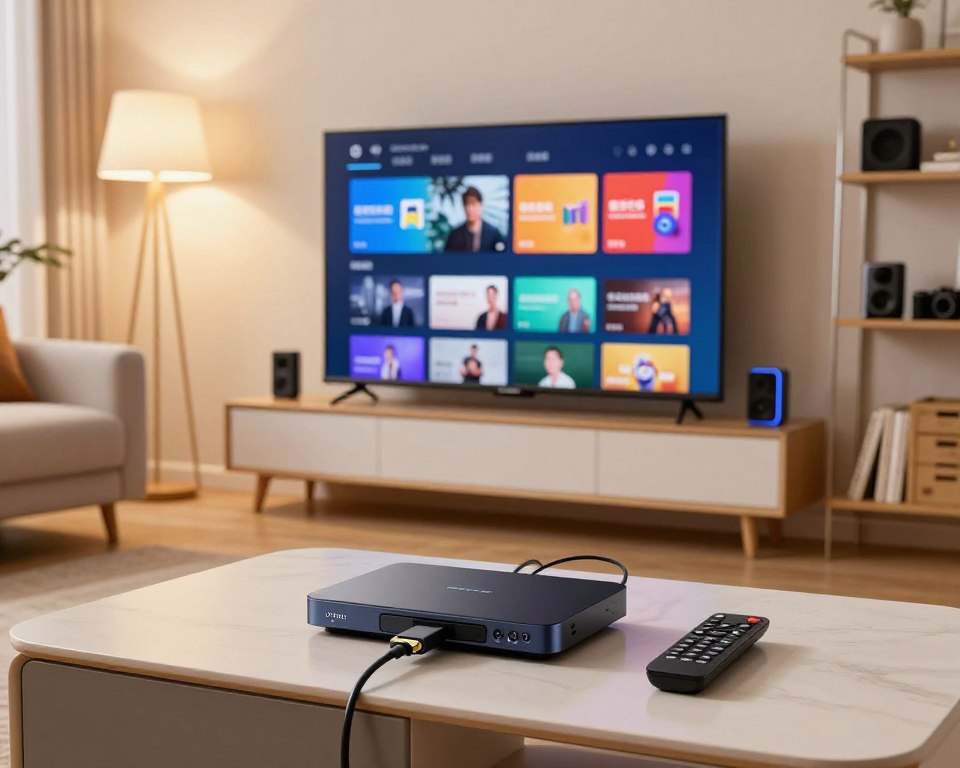
You need an IPTV box or decoder to get the digital signal. Some providers also have IPTV apps for smart TVs and mobiles. This makes watching more flexible.
Internet Speed and Connection Requirements
A good and fast internet connection is key for IPTV. The internet speed needed depends on the stream’s quality.
Bandwidth Needs for Different Quality Levels
The bandwidth required changes with the stream’s quality. For example, SD needs less bandwidth than HD or 4K.
| Quality Level | Bandwidth Requirement |
|---|---|
| SD (Standard Definition) | 2-3 Mbps |
| HD (High Definition) | 5-10 Mbps |
| 4K (Ultra High Definition) | 25 Mbps or higher |
IPTV Benefits and Getting Started with IPTV Service
IPTV is changing how we watch TV, bringing many benefits over old TV. It offers a flexible and personalized viewing experience. This makes IPTV a popular choice for entertainment.
Key IPTV Advantages and Features
One big iptv benefit is watching TV over the internet. This gives users more control over what they watch. IPTV services have many features, including:
- On-demand content, so you can watch your favorite shows and movies anytime
- Personalized recommendations based on what you’ve watched before
- Multi-device support, letting you watch IPTV on smartphones, tablets, and smart TVs
These iptv advantages make it a great choice for a more flexible and interactive TV experience.
Choosing the Best IPTV Provider and Subscription
When picking an IPTV provider, consider a few key things. This ensures you get the best iptv service. Look at:
- The variety of channels and content
- The streaming quality
- The availability of on-demand content
- The cost of the iptv subscription
Evaluating IPTV Packages and Channels
Different IPTV providers offer different packages and channels. It’s important to compare these to find the best fit for you. Think about the types of channels they offer, like sports, movies, and entertainment. Also, check for any extra features, like catch-up TV.
Understanding IPTV Legality and Licensed Services
The legality of iptv is key when choosing a provider. Make sure the service you pick is licensed and follows copyright laws. Licensed IPTV services offer a safe and legal way to watch TV.
IPTV Setup: Installing and Configuring Your Service
Setting up IPTV is easy. You’ll need an iptv box or a device with an iptv app. The setup involves:
- Connecting your device to the internet
- Installing the IPTV app or setting up your IPTV box
- Activating your IPTV subscription
After these steps, you’re ready to enjoy your IPTV service. You’ll get to enjoy its many benefits and features.
Conclusion
IPTV offers a new way to watch TV, different from traditional methods. This guide has covered the basics of IPTV and its technology. It shows how IPTV stands out from regular TV services.
Choosing the right IPTV provider is key to a great viewing experience. Users can access many channels and on-demand content. Reading IPTV reviews is important to make a smart choice.
IPTV is a flexible and cost-effective way to enjoy entertainment. As streaming services become more popular, IPTV will likely stay a top choice. It provides high-quality, customizable viewing options.