
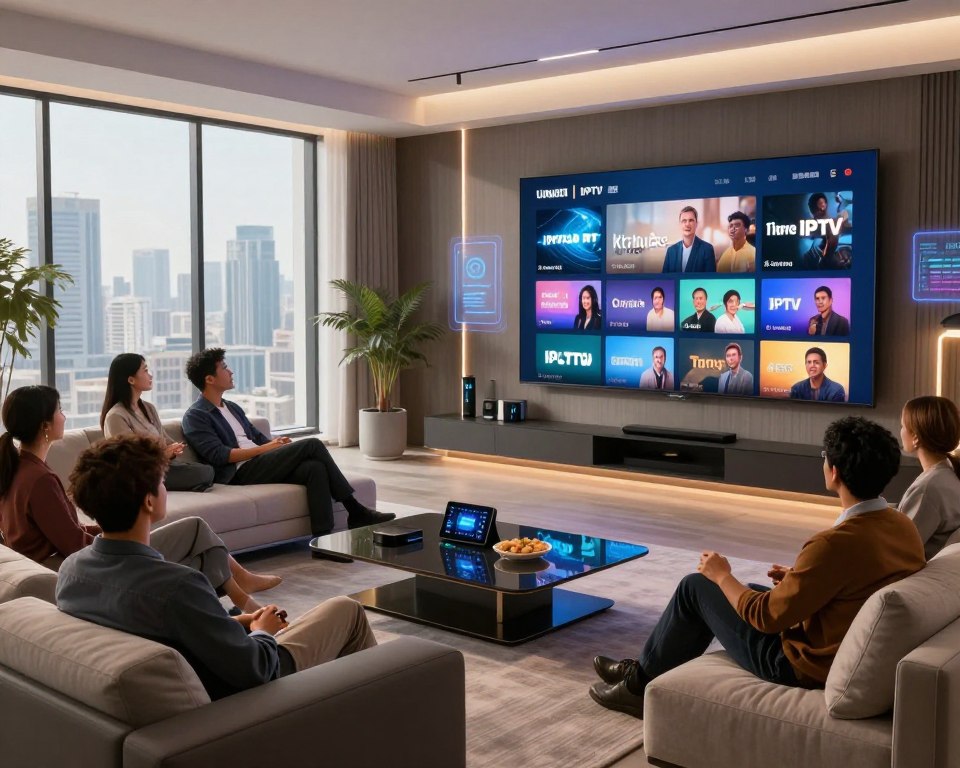
Did you know that by the end of the decade, over 80% of American households will ditch traditional cable for digital options? This big change is a turning point in how we watch media. The world of iptv channels streaming 2027 is quickly changing from a small hobby to the main way families enjoy their favorite shows.
Now, high-speed internet reaches even the most far-off parts of the United States. This growth makes it easy to get high-definition content without the old satellite services. As more people want it, providers are working hard to give them more choices and flexible viewing.
Innovation is what’s driving this change. We’re entering a new time where technology and ease come together, changing our daily lives. Knowing what’s coming in iptv channels streaming 2027 is key for anyone wanting to stay on top in this digital world.
Key Takeaways
- Traditional cable is being replaced by digital-first delivery models.
- High-speed infrastructure is the backbone of modern media consumption.
- Personalization is becoming a standard expectation for viewers.
- The United States is leading the global shift toward digital television.
- Flexibility and cost-efficiency are driving consumer adoption rates.
The Evolution of IPTV Channels Streaming 2027
Internet protocol television has grown from a small niche to the main way people watch global content. Looking ahead to iptv channels streaming 2027, the industry has overcome old broadcast limits. This growth shows a big push for top-notch, dependable entertainment straight to viewers.
Technological Advancements in Delivery Infrastructure
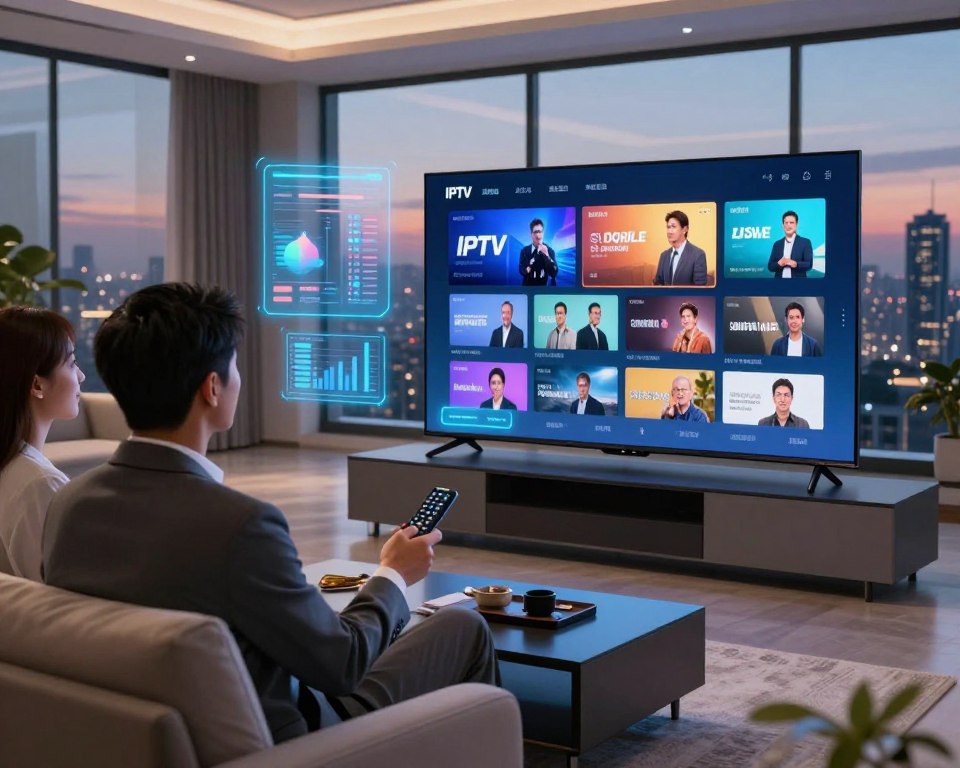
Today’s broadcasting relies on strong, growing systems. These systems can handle big increases in traffic without losing signal quality. Thanks to new compression tech, providers can send high-def content faster than before.
These online streaming services have made big strides to stay ahead:
- Improved server-side processing for quicker start times.
- Dynamic bitrate adjustment for better streaming on different speeds.
- Cloud-native setup that grows with viewership peaks.
The Shift Toward Decentralized Streaming Protocols
The move to decentralized streaming is a big change. It helps avoid network jams, common during big events. By spreading the load, internet protocol television gives a smoother watch for everyone.
Decentralization makes the delivery chain stronger and less likely to fail. This technological resilience is key for the digital market’s growth. As these protocols become common, viewers will get a consistent, high-quality experience, no matter where they are or what their network is like.
Regulatory Landscape and Content Licensing Shifts
Digital broadcasting is changing fast, and so are the rules for watching TV. The old rules for cable TV are being updated for modern digital distribution. This change is making it tough for companies that stream live tv to millions of homes.
Federal Communications Commission Oversight in 2027
The Federal Communications Commission (FCC) has updated its rules for today’s TV world. They focus on net neutrality and fair access. This ensures live tv streaming services stay competitive and open to everyone.
Now, regulators want to know how platforms manage data and channel bundles. This means providers must be clear about their service and prices. The regulatory burden has grown, making it harder for companies to follow federal rules.
Impact of Global Licensing Agreements on US Viewers
Global deals are key to what TV shows we get in the US. Since rights are split across countries, some shows are only available in certain places. This is why channel lineups can differ between providers.
The table below shows how rules and licensing affect what we watch:
| Regulatory Factor | Impact on Content | Consumer Outcome |
|---|---|---|
| FCC Compliance | High | Standardized service quality |
| Global Licensing | Medium | Varied channel availability |
| Data Privacy Laws | High | Enhanced user protection |
| Market Competition | Medium | Competitive pricing models |
The mix of federal laws and global deals makes for a lively market. Knowing these changes helps us understand why live tv streaming services keep changing. As the industry grows, these rules will keep shaping our TV watching habits in the US.
Integration of Artificial Intelligence in Content Discovery
AI algorithms are changing how we find and enjoy content. With more media available, digital streaming services use machine learning to help us find what we like. This makes it easier for us to find great shows and movies without wasting time.
Personalized Recommendation Engines
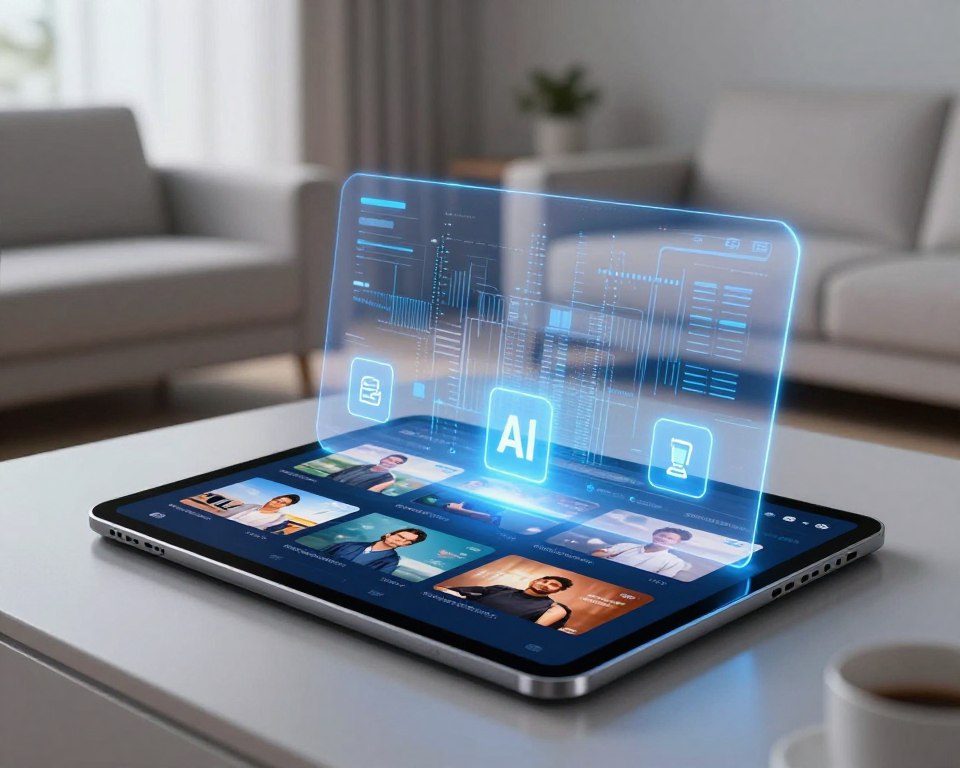
Today’s online streaming platforms use smart engines to guess what we’ll like. They look at what we’ve watched, searched for, and even how we pause videos. This makes a special library for each of us, showing us content we’ll love.
These engines don’t just use old data; they also keep up with new trends and moods. When we finish a show, they suggest similar ones right away. This keeps us engaged and interested for longer.
Automated Real-Time Subtitling and Localization
AI is also breaking down language barriers worldwide. It creates instant subtitles for live and on-demand content. This is key for creators who want to reach people all over the world without waiting for translations.
Localization is more than just subtitles; it’s about making content fit local tastes. With automated localization, online streaming platforms can share their content everywhere easily. This innovative technology makes sure everyone can enjoy great shows, no matter where they are or what language they speak.
The Rise of 4K and 8K Streaming Standards
Visual quality is getting better, and live tv streaming needs to keep up. People want their TV to look like movies, so providers are moving to 4K and 8K. This change is a big step forward for digital media.
Bandwidth Requirements for High-Fidelity Live TV
Ultra-high-definition content needs a lot of data to stream smoothly. Without enough bandwidth, viewers might see buffering or poor quality. Stable and high-speed internet connections are key for top-notch visuals.
To support 4k streaming channels, you need fast internet. Internet providers are working to make sure these streaming channels work well even when lots of people are watching. This keeps the broadcast clear and uninterrupted.
Hardware Compatibility and Next-Generation Set-Top Boxes
The right hardware is just as important as the software. New set-top boxes are made to handle the big data needed for 8K. They use special chips for efficient data processing and use less power.
It’s important for devices to work well with the latest live tv streaming technology. Modern devices must support new codecs to show 4k streaming channels right on your TV. Upgrading your hardware lets you enjoy the sharp details and bright colors of these streaming channels.
Market Consolidation Among Major Streaming Providers
The world of digital entertainment is changing fast. Big companies are teaming up and buying smaller ones. This is changing how we watch our favorite shows and movies.
Mergers and Acquisitions in the Digital Streaming Space
Big players in streaming are merging to grow. They team up with studios or tech firms to save money and reach more people. This growth means they control more of the media we see.
“In the current market, the ability to scale content production through strategic acquisition is the single most important factor for long-term survival.”
These changes affect us as viewers. When companies merge, they often offer more for our money. But, this can also mean we pay more as there’s less competition.
The Competitive Dynamics Between Legacy Cable and Pure-Play IPTV
The fight between old cable and new streaming services is getting fiercer. Old cable companies are using IPTV to keep up with the fast pace of streaming. This mix is making TV and internet delivery more alike.
Looking at streaming services comparison, old cable is good for live sports and local news. But, new streaming is better for on-demand shows and easy-to-use apps. Here’s a table showing their differences:
| Feature | Legacy Cable | Pure-Play IPTV |
|---|---|---|
| Content Focus | Broad Live TV | On-Demand/Originals |
| Delivery Method | Proprietary Network | Open Internet |
| Pricing Model | Bundled Contracts | Flexible Subscriptions |
The market is moving towards a mix of both old and new. We want to watch live events and have lots of on-demand content. Companies that don’t meet these evolving expectations will lose out to the competition.
User Experience and Interface Innovations
Technology is changing how we watch live TV online. Now, it’s more social and easy to use. People want dynamic content that fits their tastes. This makes watching TV online easy for everyone.
Interactive Features and Social Viewing Integration
New live tv streaming services add social layers. They turn solo watching into a group event. Friends and family can watch together, no matter where they are.
These platforms also offer cool features like live stats or extra camera angles during sports. This keeps viewers hooked for longer. It’s now the top choice for digital entertainment.
Voice-Activated Navigation and Smart Home Ecosystems
Complex menus are a thing of the past with voice controls. Top online streaming platforms let you search, change volume, or switch channels with voice commands. It’s all about making watching TV easy.
These services also work with smart homes. When you want to watch live tv online, the lights dim and the room cools. It’s the ultimate in convenience.
Security Protocols and Anti-Piracy Measures
The digital world is changing fast, and keeping internet protocol television safe is key. It’s important to stop unauthorized access and make sure only real subscribers get quality content.
Blockchain-Based Content Authentication
Blockchain tech is becoming a big help against digital piracy. It uses special ledgers to check if content is real in seconds. This stops illegal sharing and makes sure only the right people see it.
This tech also helps creators get paid fairly for their work. Every time someone watches, it’s recorded safely. This makes the whole system more honest and fair for everyone.
Protecting User Data in a Connected Streaming Environment
Today’s platforms collect lots of info to make watching more personal. But, they must keep this info safe from hackers. They use strong encryption to keep user data private.
It’s important to trust services when you watch tv online. Users want to know their data is safe. By following strict privacy rules, services can create a safer place for viewers. This is crucial for those who watch live tv online safely.
| Security Feature | Primary Benefit | Implementation Status |
|---|---|---|
| Blockchain Authentication | Piracy Prevention | Growing Adoption |
| End-to-End Encryption | Data Privacy | Industry Standard |
| Multi-Factor Authentication | Account Security | Widely Available |
| Real-Time Threat Monitoring | Proactive Defense | Advanced Integration |
Economic Models and Subscription Pricing Trends
The world of digital entertainment is changing fast. Old ways of paying for content are disappearing. Now, people want more control over their streaming tv subscription costs. They’re moving away from fixed, monthly fees.
This change is pushing companies to find new ways to make money. They need to stay ahead in a crowded market.
The Transition to Micro-Transaction Based Access
Micro-transaction models are becoming popular. They let users pay for specific content, not a whole library. This means you can buy access to just one episode or a certain streaming channel for a short time.
This way, viewers can enjoy what they want without a big monthly bill. It’s perfect for those who only want to watch special events or specific shows.
By offering these small payments, providers can earn money from people who don’t want to commit long-term. It also helps them understand which content is most popular. This makes billing more transparent and user-centric.
Bundling Strategies for Modern Streaming Platforms
To keep users, streaming platforms are using smart bundling. They combine different services like music, gaming, and video into one bill. This makes their offer seem more valuable.
It’s harder for users to cancel because losing one service means missing out on more. This keeps people subscribed for longer.
The table below shows how different pricing models stack up in today’s market:
| Model Type | Primary Benefit | Target Audience |
|---|---|---|
| Monthly Subscription | Predictable Revenue | Heavy Content Consumers |
| Micro-Transactions | Flexibility | Casual or Niche Viewers |
| Service Bundling | High Value Retention | Family and Multi-User Households |
When comparing streaming services, the best ones offer a mix of models. The best iptv providers combine long-term subscriptions with flexible, pay-as-you-go options. This way, they keep their business profitable while meeting the needs of their worldwide audience.
Conclusion
The world of digital entertainment is changing fast as 2027 gets closer. People want better quality in their home media setups. Choosing the best iptv providers is key for those looking for reliable global content.
Now, 4k streaming channels are the standard for quality in our living rooms. They need strong infrastructure and smart devices to work well. This means clearer pictures and smoother videos for everyone.
Managing your streaming tv subscription is important. Today, platforms offer more flexible plans that fit your viewing habits. This lets you build your own media collection just the way you like it.
It’s important to keep up with the latest in the industry. New tech is changing how we watch live shows. Staying current ensures a better viewing experience for all.